2020–2024
Product Design
Branding
UI/UX
Website
Motion
Social
I worked with Muse from the very beginning, before a single screen existed, before the brand had a name in the world. The brief was deceptively simple: build a platform that brings the entire music ecosystem into one place. Artists, producers, songwriters, labels, A&Rs and everyone involved in making and releasing music, connected in a way that actually reflects how creative collaboration works.
The hard part wasn't the scope. It was how we built a product that is both technical but also serves creatives. Music is intuitive and emotional and the infrastructure behind Muse from session booking, file sharing, payments, contracts, to communication, is not. Muse needed to hold both without letting either one win. Too polished and it alienates the artists. Too raw and it loses the industry. The design had to make something genuinely complex feel like it was built for creative people, not ops teams.
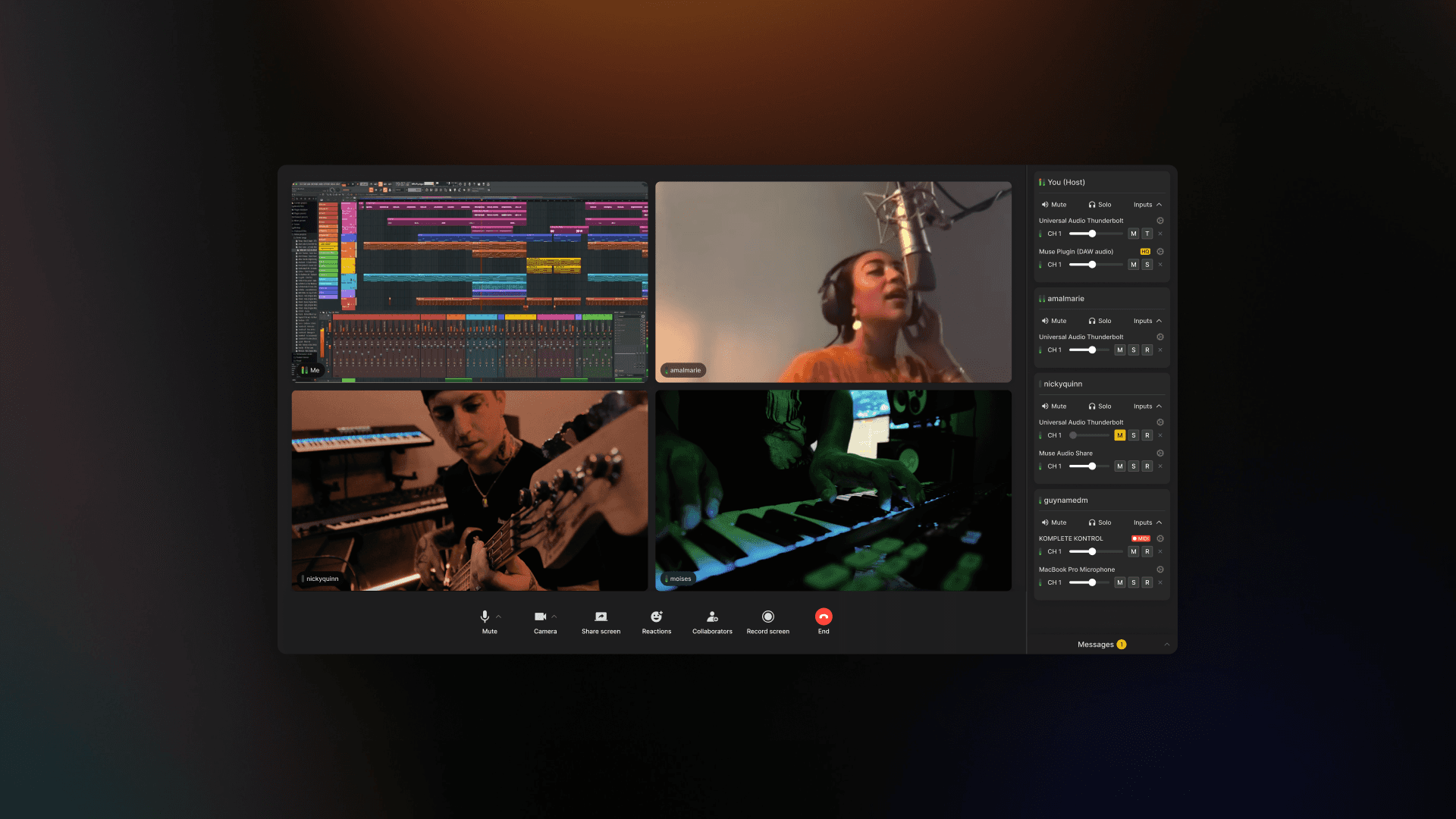
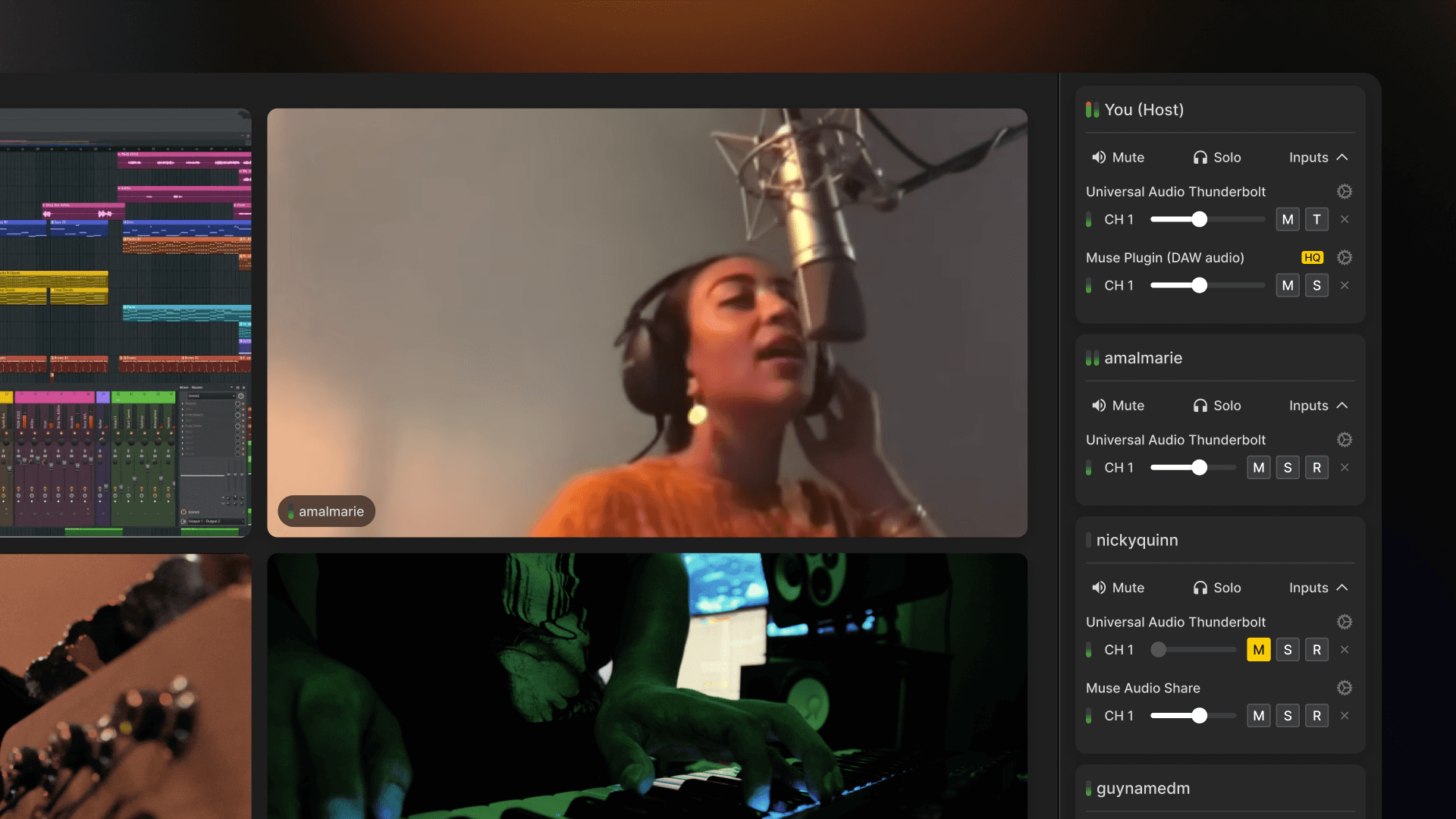
I built the brand, product, and web presence in tandem so the system always felt like one thing. The visual identity gave Muse a distinct voice in a space full of generic SaaS which is warm without being soft, professional without being cold. The product design translated a multi-layered platform into flows that reveal complexity progressively, earning depth as the user grows into it. The website, social, and motion work extended the system outward, making sure Muse felt consistent whether someone encountered it in a feed or inside the app itself.
Three years later, Muse had 190,000 users from bedroom producers and artists like Drake, J. Cole, and Leon Thomas alongside teams at Warner, Sony, Netflix, and Disney. That range is the proof. When something complex feels simple, every kind of user finds their way in.